contact us
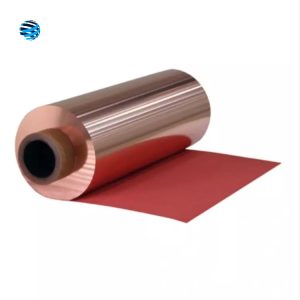
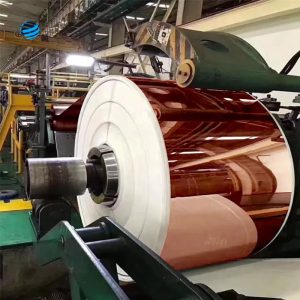

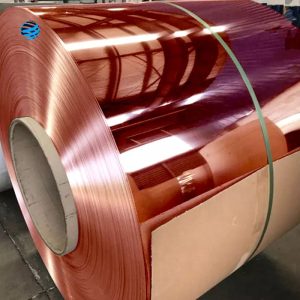


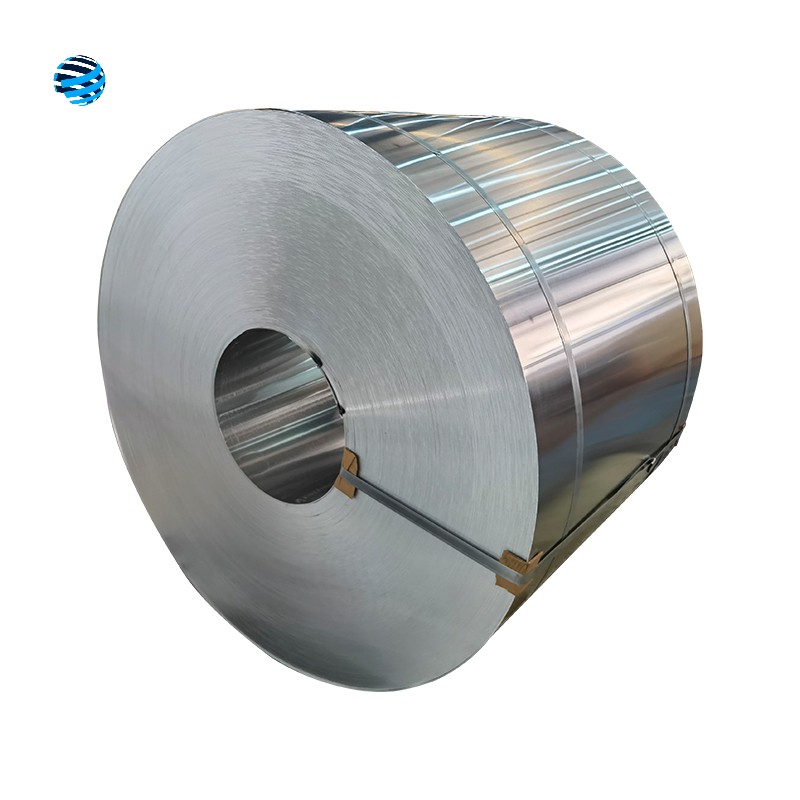
China’s copper processing materials can be divided into ordinary copper (T1, T2, T3, T4), oxygen-free copper (TU1, TU2 and high-purity, vacuum oxygen-free copper), deoxidized copper (TUP, TUMn), adding a small amount of alloying elements Four categories of special copper (arsenic copper, tellurium copper, silver copper). The electrical conductivity and thermal conductivity of red copper are second only to silver, and it is widely used in the manufacture of electrical and thermal equipment. Copper has good corrosion resistance in the atmosphere, seawater, and some non-oxidizing acids (hydrochloric acid, dilute sulfuric acid), alkali, salt solution, and various organic acids (acetic acid, citric acid). The salient features of our T1 T2 Copper Coil are high tensile strength, technical precision, durability, low maintenance, etc. As a result, they are used for making switches, radiators, terminals, connectors, locks, keys, taps, general stamping, icons and statues, deep drawing articles, and many more. Copper is a tough, soft, malleable purple-red and shiny metal. It is copper containing a certain amount of oxygen, so it is also called oxygen-containing copper. Red copper is industrial pure copper with a melting point of 1083°C, no allotropic transformation, and a relative density of 8.9, which is five times that of magnesium. The mass of the same volume is about 15% heavier than ordinary steel. Copper has good weldability, and can be made into various semi-finished and finished products through cold and thermoplastic processing. It has excellent electrical and thermal conductivity, tensile properties, good solderability, corrosion resistance, and applicability, even reducing properties. Heating to high temperatures in gas doesn’t cause hydrogen embrittlement and can be widely used as a conductive material.


Shandong Ruitong New Materials Co., Ltd. is a leading supplier of steel and other metal products in China. As an ISO9001:2015 certified company, our products comply with ASTM, AISI, BS, DIN, JIS and other standards.