contact us

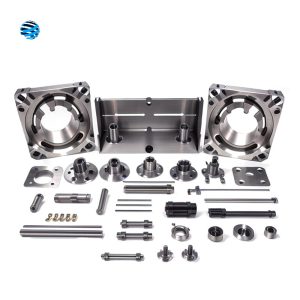
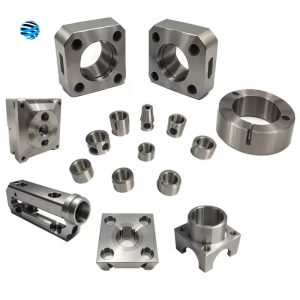


This is a machining method that uses insert-shaped tools to cut and remove unwanted parts from a workpiece to create a shape. It is the most commonly used method because it can process a wide range of materials, offers a good balance between precision and cost, and is highly versatile. Machining performed on lathes, milling machines, machining centers, and drilling machines are representative examples.
Lathes use a chuck to grip and rotate the workpiece, which is then cut by a cutting tool. They are capable of machining cylindrical surfaces and thread cutting.
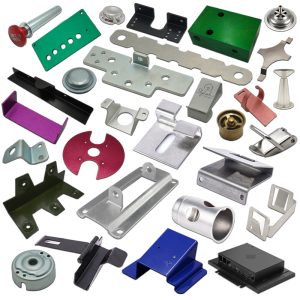
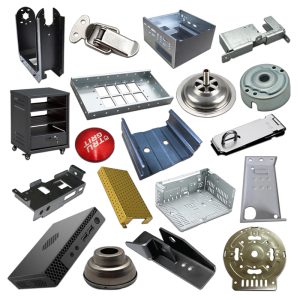
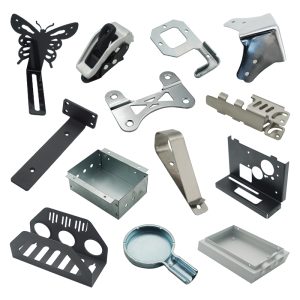
High strength and durability: Metallic materials typically possess excellent mechanical properties, can withstand high stress, and are wear-resistant, making machined parts extremely durable.
High ductility and design flexibility: Metals can be processed into various complex shapes and sizes through different processing methods (such as casting, forging, cutting, sheet metal work, drawing, etc.) to meet the needs of diverse products.
Wide range of applications: From construction, automotive, and aerospace to electronics, medical devices, and everyday consumer goods, metal parts are virtually ubiquitous.
Good thermal and electrical conductivity: Metallic materials, especially those with high free electron content, possess excellent thermal and electrical conductivity, which is crucial in many electronic and heat exchange devices.
High production efficiency: Relatively fast and economical mass production can be achieved through specific processing technologies, such as continuous casting or automated production lines.
Recyclability: Metallic materials are generally recyclable, helping to reduce resource consumption.
High strength and durability: Metallic materials typically possess excellent mechanical properties, can withstand high stress, and are wear-resistant, making machined parts extremely durable.
High ductility and design flexibility: Metals can be processed into various complex shapes and sizes through different processing methods (such as casting, forging, cutting, sheet metal work, drawing, etc.) to meet the needs of diverse products.
Wide range of applications: From construction, automotive, and aerospace to electronics, medical devices, and everyday consumer goods, metal parts are virtually ubiquitous.
Good thermal and electrical conductivity: Metallic materials, especially those with high free electron content, possess excellent thermal and electrical conductivity, which is crucial in many electronic and heat exchange devices.
High production efficiency: Relatively fast and economical mass production can be achieved through specific processing technologies, such as continuous casting or automated production lines.
Recyclability: Metallic materials are generally recyclable, helping to reduce resource consumption.

Shandong Ruitong New Materials Co., Ltd. is a leading supplier of steel and other metal products in China. As an ISO9001:2015 certified company, our products comply with ASTM, AISI, BS, DIN, JIS and other standards.