contact us


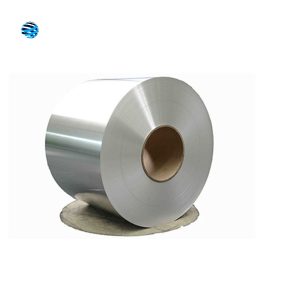
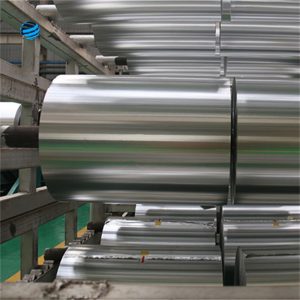
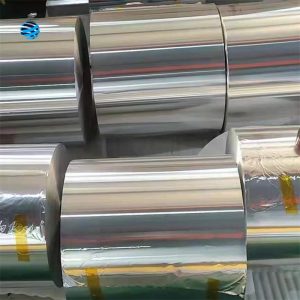
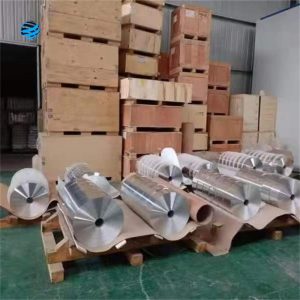


The conductivity of battery aluminum foil is the primary consideration in material selection, and the conductivity is higher than other aluminum alloy series. In new energy vehicle batteries, if the commonly used 12μm aluminum foil is replaced by 10μm or 8μm aluminum foil, the aluminum foil required per unit energy can be reduced to 0.38kg/kwh (10μm aluminum foil) and 0.30kg/kwh (8μm aluminum foil), thus making the battery The energy density of the system is increased by 1.2% and 2.4% respectively.
The thickness of the aluminum foil will affect the capacity of the battery. Within a certain range, as the thickness of the aluminum foil increases, the battery capacity also increases. However, when the thickness of the aluminum foil reaches a certain level, the increase in battery capacity will gradually level off, because excessive thickness of the aluminum foil will affect the diffusion rate of lithium ions, thereby affecting the battery capacity.


Shandong Ruitong New Materials Co., Ltd. is a leading supplier of steel and other metal products in China. As an ISO9001:2015 certified company, our products comply with ASTM, AISI, BS, DIN, JIS and other standards.