contact us


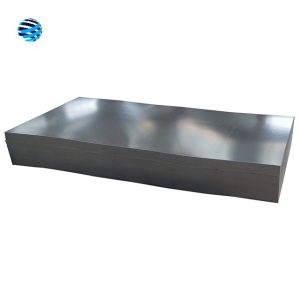
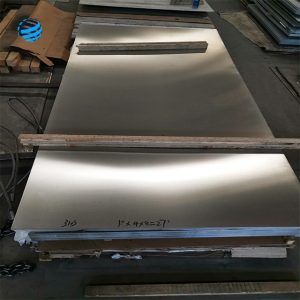
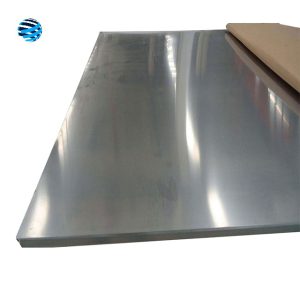
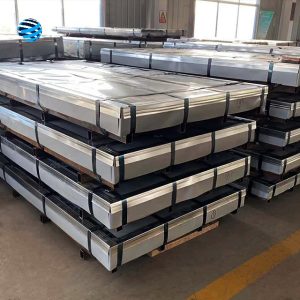


Tinplate tin-plated steel is very versatile. From food and beverage packaging materials to grease tanks, chemical tanks, and other miscellaneous tanks, the advantages and characteristics of tinplate provide good physical and chemical protection for the contents.
For tanks:
Light will cause and accelerate the oxidation reaction of oil, reduce the nutritional value, and may also produce harmful substances. Even more serious is the damage of oily vitamins, especially vitamins D and A. Corrosion resistance is the most important property of tinplate tinned steel. The acid leaching time lag value, iron dissolution value, tin plating grain size, alloy tin primary cell value, and tin layer thickness are collectively referred to as the five corrosion resistance indicators of tinplate. The corrosion resistance of tin-plated sheets should be comprehensively measured through a comprehensive evaluation of these five indicators. The mechanical properties of tinplate tin-plated steel mainly refer to the mechanical properties of the steel matrix, including mechanical properties (tempering) and formability (burst cup value). The degree of tempering is hardness. The comprehensive mechanical properties of tinplate are generally described by the degree of tempering. The tempering degree of the tinplate is expressed by the surface Rockwell hardness value HR30T, and the symbol is composed of T plus numbers. Different national standards express different methods of hardness. Table 2 lists the expression method of hardness and the comparison of hardness range. The cupping value is mainly used to evaluate the plasticity and ductility of tinplate.


Shandong Ruitong New Materials Co., Ltd. is a leading supplier of steel and other metal products in China. As an ISO9001:2015 certified company, our products comply with ASTM, AISI, BS, DIN, JIS and other standards.