contact us

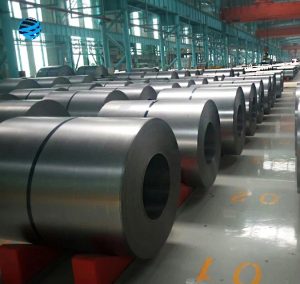
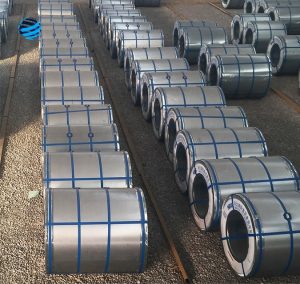
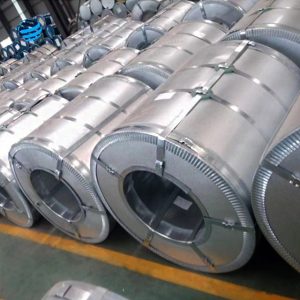
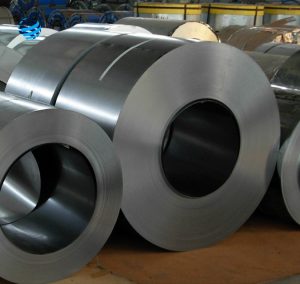


Tinplate is a thin steel sheet coated with a tin coating by immersion in molten metal or by electrolytic deposition; almost all tinplate is now produced by the latter process. The tinplate produced through this process is essentially a sandwich in which the central core is strip steel. The core is cleaned in a pickling solution and then passed through a bath containing an electrolyte with tin deposited on both sides. As the strip passes through a high-frequency electric induction coil, it is heated, causing the tin coating to melt and flow, forming a shiny coating. The final product has approximately 0.00003 inches (0.00076 mm) of tin coating on each side. Tinplate has good corrosion resistance, certain strength and hardness, good formability, and is easy to weld. The tin layer is non-toxic and tasteless, which can prevent iron from dissolving into the packaged materials. The surface is bright, and printed pictures can beautify the product.
Tinplate offers the strength and formability of steel, combined with the anti-corrosion and non-toxic properties of tin, with the added property of ease of welding. While it’s primarily used in containers for food and drink, paint, oil, tobacco, and many other products, its use has expanded to include toys, baking equipment, and parts for radios and other electronic equipment.
Tinplate is a thin sheet of steel or iron that has been coated with tin, either by dipping into molten metal or by electroplating; nearly all tinplate is now produced by electroplating. Electrolytic tinplate is classified as follows:
Tempering degree
Tin plating amount
Steel type
Annealing method
Surface finish


Shandong Ruitong New Materials Co., Ltd. is a leading supplier of steel and other metal products in China. As an ISO9001:2015 certified company, our products comply with ASTM, AISI, BS, DIN, JIS and other standards.