contact us


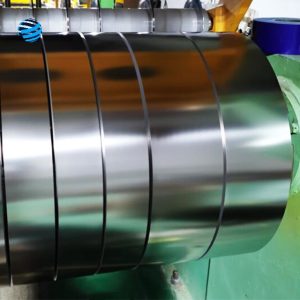
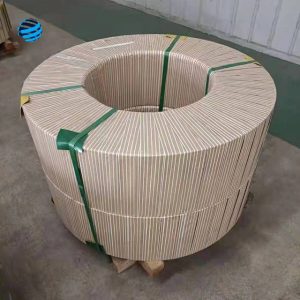


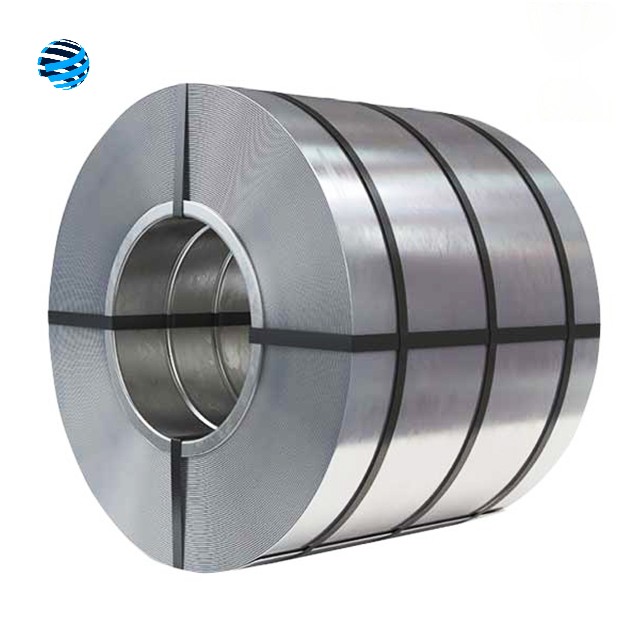
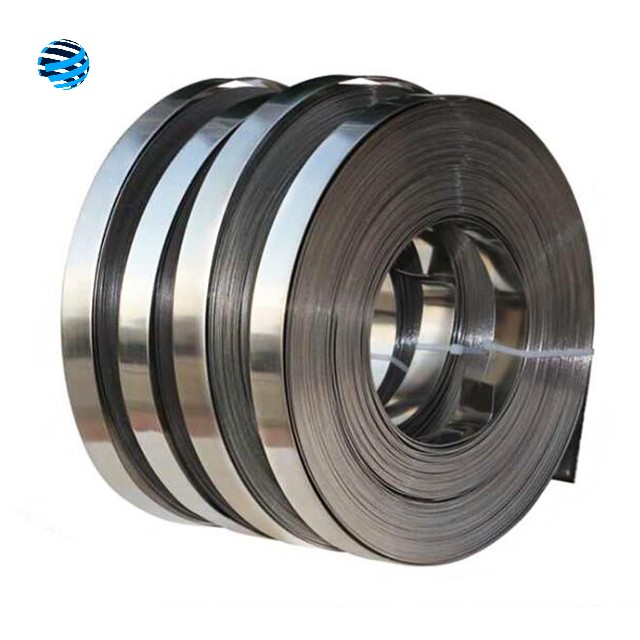
Tinplate or tin-plated thin steel strip is now mainly produced by continuous electrolytic tinning on a steel base. Continuous electrolytic tin plating was developed in the 1930s and 1940s in an attempt to reduce the amount of tin required per unit area and to take advantage of the large lengths of strip (coil) that could be supplied by steel mills. The first electrolytic tinning lines went into operation in Germany in 1934 and in the USA in 1937. Tin shortages in the United States during World War II spurred the massive rise of electrolytic tin plating, which soon became the dominant manufacturing technique for tinplate.
Tinplate is produced by the electrolytic tin plating process, in which tin is electrodeposited onto steel through a tin brine solution. Electrolytic plating produces perfect coating control. To protect the tin plating, the production process includes electrolytic passivation and final oiling.
The introduction of the electroplating process enables the two surfaces of the steel to be plated with different thicknesses of tin. This “differentiated tinplate” is economically advantageous for the user as it allows the selection of the most cost-effective coating to withstand the different conditions inside and outside the container during use.