contact us


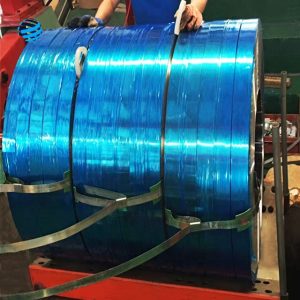
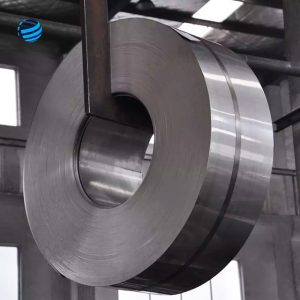
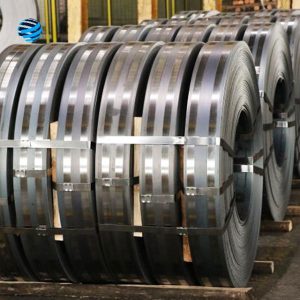


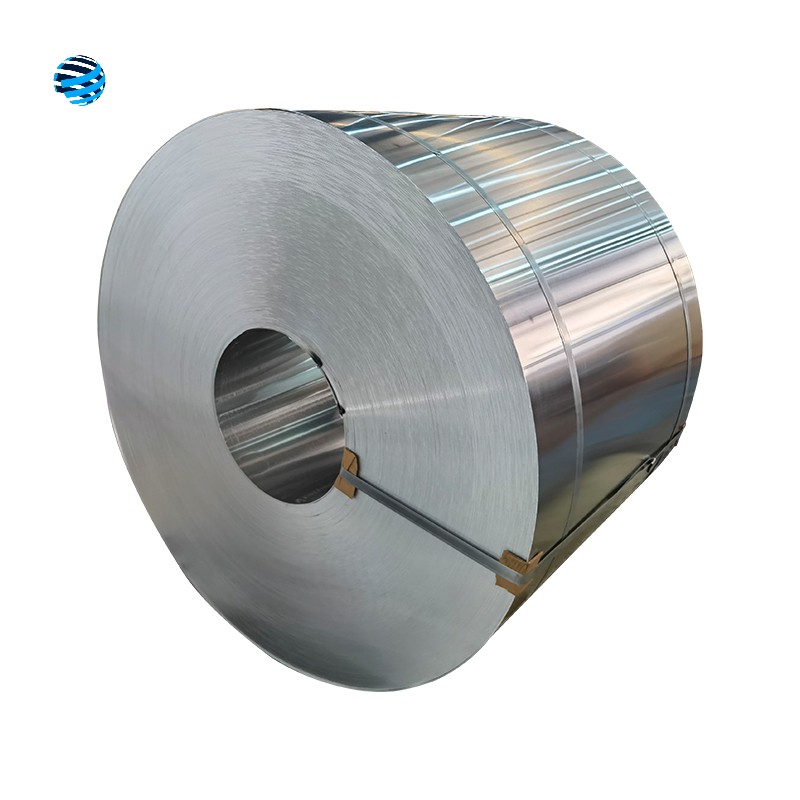
Electrolytic tinplate strips used for metal food packaging are thin steel sheets coated with tin coating through electrolytic deposition. The tinplate produced through this process is essentially a sandwich in which the central core is strip steel. The core is cleaned in a pickling solution and then passed through a bath containing an electrolyte with tin deposited on both sides. As the strip passes through a high-frequency electric induction coil, it is heated, causing the tin coating to melt and flow, forming a shiny coating.
The main features of Food Grade Tinplate Strip:
Appearance – Electrolytic tinplate is characterized by a beautiful metallic luster. By selecting the surface finish of the base steel plate, products with various surface roughness can be produced.
Compatibility and printability – Electrolytic tin plate has excellent coating and printability—beautiful printing using a variety of lacquers and inks.
Formability and Strength – Electrolytic tin plate has very good formability and strength. By selecting the appropriate temper grade, appropriate formability for different applications as well as the required power after forming can be obtained.
Corrosion resistance – Tinplate has good corrosion resistance. By selecting an appropriate coating weight, appropriate corrosion resistance to the container contents can be achieved. Coated items should meet 24-hour 5% salt spray requirements.
Solderability and Solderability – Electrolytically tinned sheets can be joined by soldering or fusion welding. These properties of tinplate are used in the manufacture of various types of cans.
Hygienic – Tin coatings have good, non-toxic barrier properties that protect food from impurities, bacteria, moisture, light, and odors.
Safety – Tinplate is lightweight and robust, making food cans easy to ship and transport.
Environmentally Friendly – Tinplate offers 100% recyclability.


1. Corrosion Resistance: The tin layer acts as a barrier, effectively preventing oxygen and moisture from contacting the steel, delaying rusting, and extending service life.
2. Non-toxic: Tin itself is non-toxic and meets the hygiene standards for food and pharmaceutical packaging, ensuring product safety.
3. High Strength: The steel substrate provides good strength, able to withstand certain pressure and impact, protecting the contents.

Shandong Ruitong New Materials Co., Ltd. is a leading supplier of steel and other metal products in China. As an ISO9001:2015 certified company, our products comply with ASTM, AISI, BS, DIN, JIS and other standards.